


The Impact of Academic Pressure and Isolation on Mental Health
In many Indian homes, mental health remains a largely ignored or misunderstood issue. Despite the increasing awareness around mental well-being globally, India still struggles with a deep-rooted stigma when it comes to discussing mental health. In a powerful conversation with Dr. Robin, a renowned neuropsychiatrist, we explore why mental health remains a taboo, the growing concerns across various age groups, and how we can create healthier, happier environments for our loved ones.
Why is Mental Health Still a Taboo in India?
In India, mental health has long been treated as a sensitive subject that is often brushed under the rug. There’s a widespread belief that mental health issues, whether anxiety, depression, or emotional struggles, are signs of weakness or something that should be hidden. Dr. Robin explains that this stigma is partly due to cultural norms and traditional views that value physical health far more than emotional well-being. As a result, those suffering from mental health problems are often seen as outcasts or misunderstood.
To break this taboo, Dr. Robin suggests starting open conversations within families, schools, and workplaces. When mental health is discussed openly, it becomes easier for individuals to seek help and heal.
How Can Parents Create a Positive Home Environment?
Parents play a critical role in shaping the mental health of their children. Dr. Robin stresses the importance of creating a nurturing environment where children feel safe to express their emotions. Listening without judgment, offering emotional support, and fostering open communication are key aspects of a positive home environment.
When parents are emotionally present and validate their children's feelings, it can significantly reduce the chances of developing mental health issues like anxiety or depression. The key is to build trust so children don’t feel the need to hide their emotions.
The Role of Social Media in Rising Stress and Anxiety
In today’s digital age, social media plays a huge role in shaping people’s mental well-being. While it offers opportunities to connect, it also fuels stress and anxiety, especially among teenagers. Dr. Robin highlights the negative effects of constant comparison, the pressure to maintain a certain image, and cyberbullying on social media platforms.
The urge to constantly check notifications and the fear of missing out (FOMO) can lead to mental burnout. Dr. Robin advises setting boundaries with screen time and engaging in more offline activities that promote mindfulness and relaxation.
Academic Pressure and Mental Health in Teens
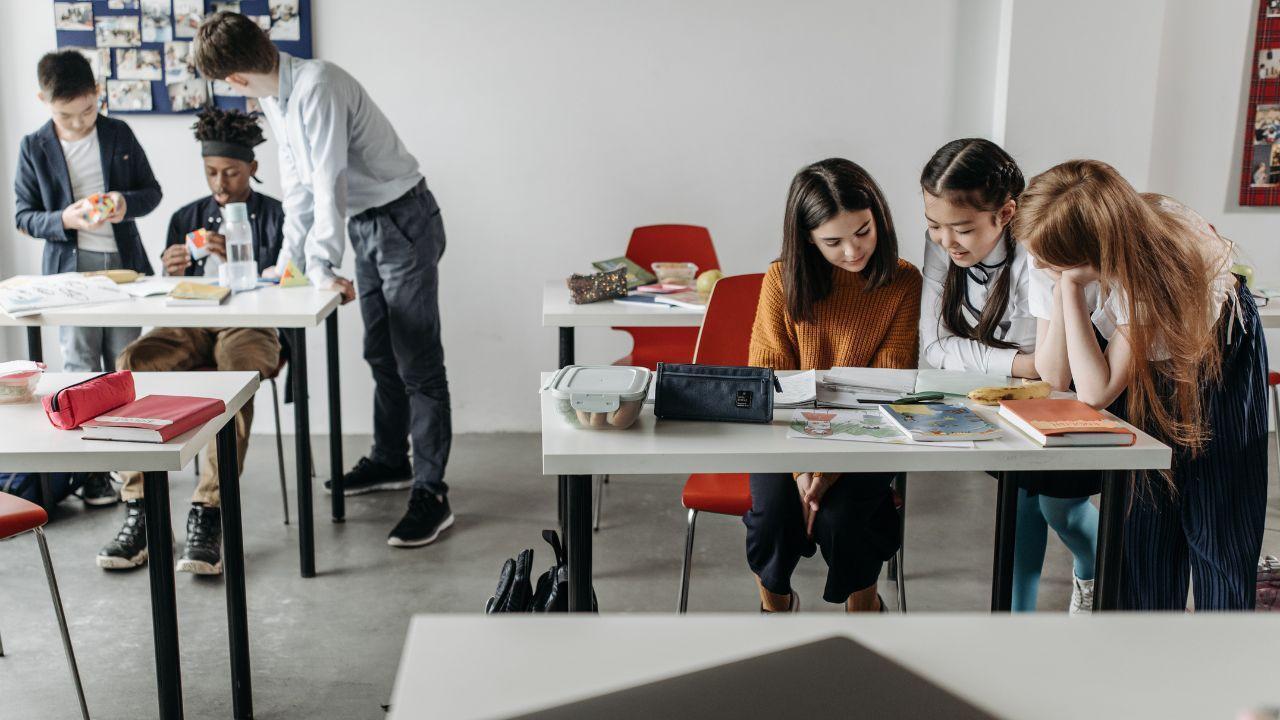
In India, academic success is often seen as the primary measure of a child's worth. This intense focus on exams and grades can cause significant mental stress, leading to breakdowns in teenagers. Dr. Robin explains that the immense pressure to excel academically can contribute to depression, anxiety, and feelings of inadequacy.
It’s crucial for parents and educators to support teens by emphasizing effort over perfection, helping them manage stress, and ensuring that academic achievement does not overshadow emotional well-being.
Why Do Housewives Feel Emotionally Isolated?
Dr. Robin also sheds light on the mental health struggles of housewives in India. Despite their immense contributions to the household, many housewives experience feelings of loneliness, isolation, and emotional neglect. The lack of recognition, financial independence, and the overwhelming nature of household responsibilities can lead to emotional burnout.
Creating an emotionally supportive environment at home, where housewives feel heard and valued, is essential. Encouraging housewives to take time for themselves and pursue their own passions can help improve their mental well-being.
Spirituality and Gratitude for Better Mental Health
In the conversation, Dr. Robin emphasizes the role of spirituality and gratitude in improving mental health. Practicing gratitude helps individuals focus on the positive aspects of their lives, reducing feelings of stress and anxiety. Spiritual practices, whether through meditation, prayer, or yoga, provide a sense of peace and emotional grounding.
Incorporating mindfulness and gratitude exercises into daily life can significantly improve one’s emotional strength and resilience, according to Dr. Robin.
0
 Fake posts hit Czech PM Fiala's X
Fake posts disrupt Czech PM Fiala's X account security
 Switzerland Tightens Export Rules
Switzerland expands export controls on dual-use goods
 Google unveils Ironwood AI chip
Google introduces Ironwood chip to accelerate AI tasks & apps
© MyEduGoal. All Rights Reserved. Design by markaziasolutions.com