
In today’s interconnected world, international education plays a crucial role in shaping future leaders, innovators, and global citizens. However, one of the major challenges in the education sector is the presence of silos—where institutions, departments, or even countries operate in isolation, without sharing knowledge, practices, or resources. Breaking down these silos and fostering collaboration is essential to ensure high-quality, equitable, and inclusive education for all.
Collaboration enhances learning environments, promotes innovation, and enables the sharing of best practices across borders. When educational institutions partner with each other—whether across regions or internationally—they can co-create programs, design culturally inclusive curriculums, and offer exchange opportunities that enrich the student experience. For instance, joint degree programs or research collaborations allow students and faculty to gain global exposure, diverse perspectives, and real-world problem-solving skills.
Governments and educational organizations must also work together to align policies, standards, and accreditation systems. By doing so, they can ensure that qualifications are recognized globally, thereby enhancing mobility for students and professionals. This is especially important in a world where the workforce is becoming increasingly global and adaptable skills are in demand.
Technology serves as a bridge in international collaboration. Virtual classrooms, digital resource sharing, and online international seminars can connect students and teachers from different parts of the world, breaking geographical barriers. EdTech platforms should be leveraged to provide equal access to learning materials, regardless of economic or geographical constraints.
Moreover, collaboration allows educators to address global challenges together—such as climate change, inequality, and public health crises—by integrating these issues into the curriculum and fostering a sense of global responsibility among students. It also supports capacity building in underserved regions, ensuring that no one is left behind.
However, for collaboration to be truly effective, it must be based on mutual respect, cultural sensitivity, and shared goals. Institutions must move away from competition and instead focus on building trust-based partnerships that value every participant’s contribution equally.
In summary, the future of international education lies in breaking down silos and embracing collaboration. By doing so, we can ensure that education remains a powerful force for good—transforming lives, bridging divides, and building a brighter, more connected world.
#trending #latest #globaleducation #collaborationiskey #edutransformation #futureoflearning #internationalstudents #educationforall #breakingbarriers #unitedinlearning

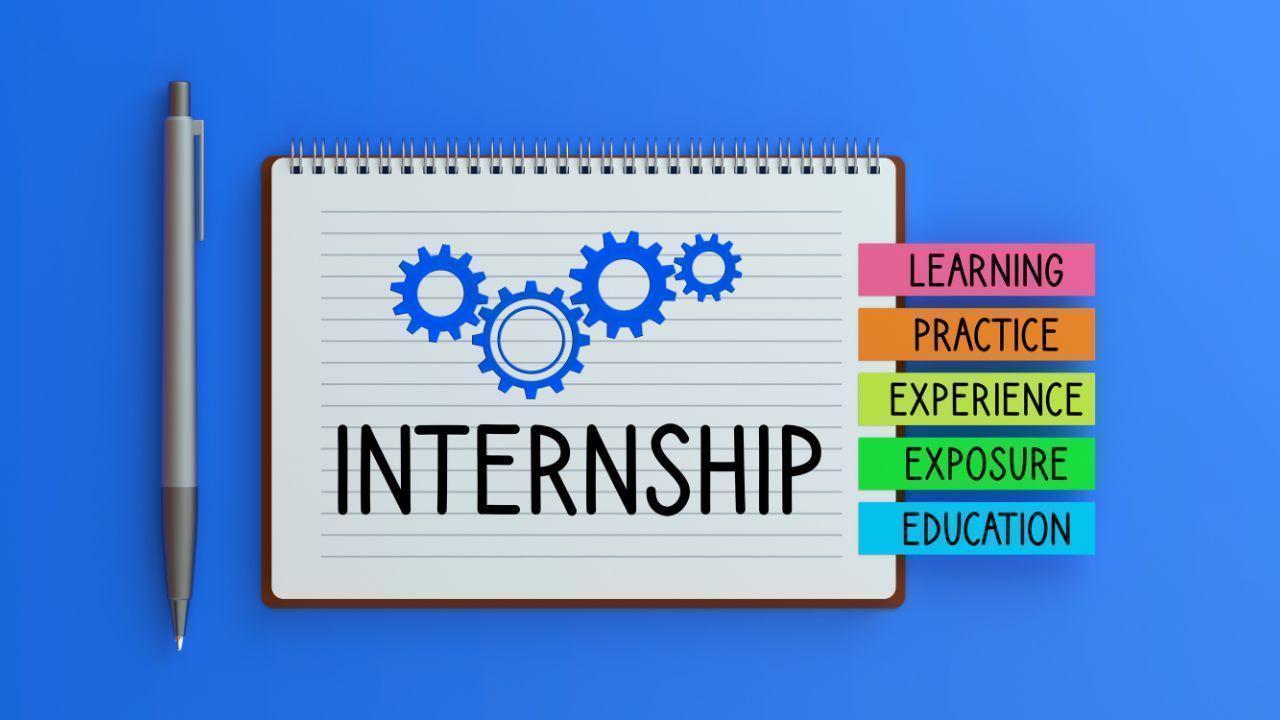
University Internships That Help You Get a Job After Graduation... Read More.

Is It Smarter to Start at a Community College... Read More.
 Fake posts hit Czech PM Fiala's X
Fake posts disrupt Czech PM Fiala's X account security
 Switzerland Tightens Export Rules
Switzerland expands export controls on dual-use goods
 Google unveils Ironwood AI chip
Google introduces Ironwood chip to accelerate AI tasks & apps
 TSMC Q1 revenue up 42%
TSMC sees 42% revenue surge in Q1, surpassing forecasts
 Amazon CEO Outlines AI Vision
Amazon CEO reveals AI investment plans in new letter
 Osaka Hosts World Expo 2025
Japan blends tech and culture at Osaka Expo 2025 launch
 A16z Plans Big Bet on AI Startup
A16z may lead huge round in ex-OpenAI CTO’s new AI firm.


© MyEduGoal. All Rights Reserved. Design by markaziasolutions.com