


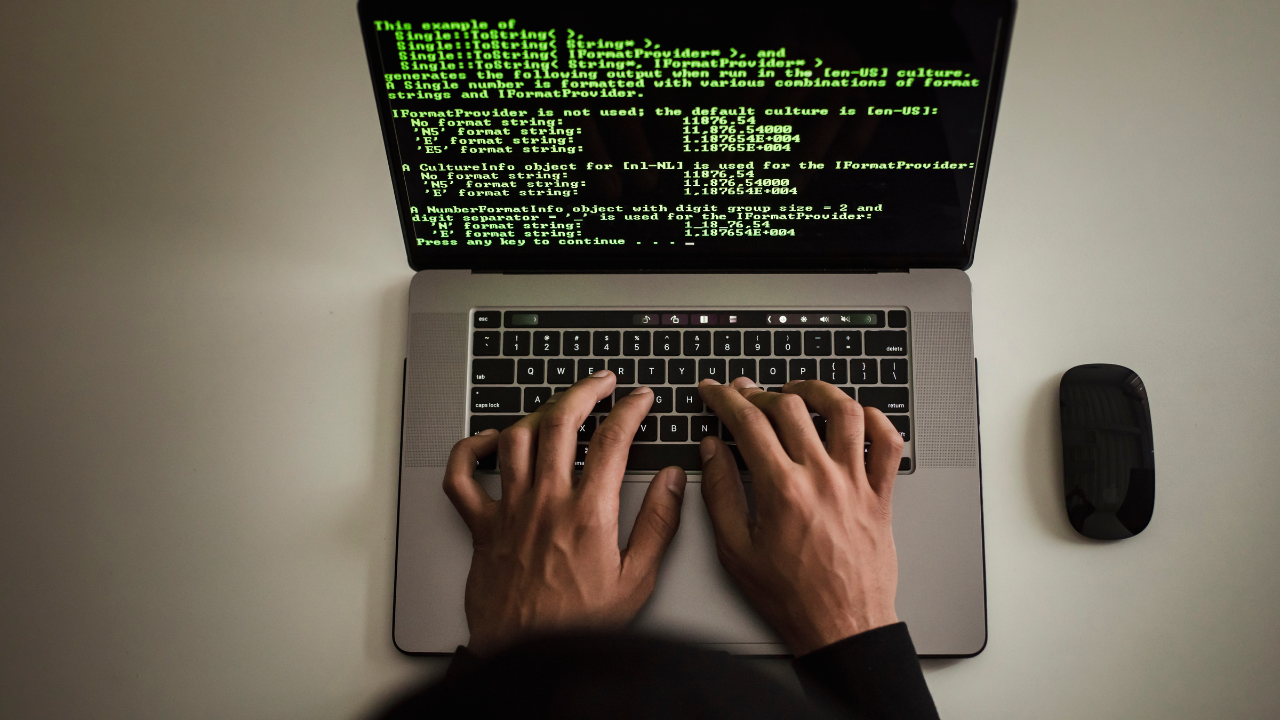
In a significant development in the cybersecurity domain, the Python Package Index (PyPI) has removed a malicious library named “CTX” from its repository. This incident once again highlights the vulnerabilities in open-source ecosystems and the importance of vigilance in software supply chains.
The CTX package, which appeared to be a legitimate utility, was found to contain harmful code that could potentially compromise user systems. Developers and cybersecurity researchers flagged the package after observing suspicious behavior during installation and usage. Further investigation revealed that CTX was designed to steal sensitive user information, including environment variables, credentials, and possibly API keys.
PyPI, the central repository for Python libraries, took immediate action by removing the package from its platform and issuing a warning to all users who might have installed it. Developers are strongly advised to check their projects for dependencies on the CTX library and remove or replace them immediately.
This incident is reminiscent of previous supply chain attacks where malicious actors upload seemingly useful packages to package managers like PyPI, npm, or RubyGems with embedded malicious code. These libraries often mimic the names of legitimate packages or offer small but useful features to attract users.
CTX was particularly dangerous because it was uploaded under the guise of being a simple and helpful library. Its name also matched an existing and trusted library, which may have caused developers to mistakenly install the malicious version. This practice, known as “typosquatting,” is a common tactic used by attackers to deceive users and infiltrate systems.
The Python Software Foundation and the PyPI security team are continuously working on improving security measures, including better vetting of packages, automated detection of malicious behavior, and encouraging two-factor authentication for package maintainers. However, due to the open nature of the platform, absolute security remains a challenge.
Users are urged to:
Audit their installed dependencies regularly.
Use tools like pip-audit to identify vulnerabilities.
Stay updated with PyPI security advisories.
Avoid installing packages from unknown or unverified authors.
Security experts warn that this is not likely to be the last such incident and stress the importance of collective awareness and responsibility among developers. Supply chain attacks are on the rise, and every stakeholder in the software development lifecycle must take proactive steps to ensure the integrity and security of the code they use and distribute.
The removal of the CTX package serves as a timely reminder for developers to be cautious, verify their dependencies, and stay alert to suspicious activity in their projects. As the software development community grows more reliant on third-party packages, maintaining vigilance becomes not just best practice—but essential.
Stay safe. Stay updated. Keep coding securely.
#cybersecurity #trending #latest #PyPI #python

University Internships That Help You Get a Job After Graduation... Read More.

Is It Smarter to Start at a Community College... Read More.
 Fake posts hit Czech PM Fiala's X
Fake posts disrupt Czech PM Fiala's X account security
 Switzerland Tightens Export Rules
Switzerland expands export controls on dual-use goods
 Google unveils Ironwood AI chip
Google introduces Ironwood chip to accelerate AI tasks & apps
 TSMC Q1 revenue up 42%
TSMC sees 42% revenue surge in Q1, surpassing forecasts
 Amazon CEO Outlines AI Vision
Amazon CEO reveals AI investment plans in new letter
 Osaka Hosts World Expo 2025
Japan blends tech and culture at Osaka Expo 2025 launch
 A16z Plans Big Bet on AI Startup
A16z may lead huge round in ex-OpenAI CTO’s new AI firm.


© MyEduGoal. All Rights Reserved. Design by markaziasolutions.com